by
by 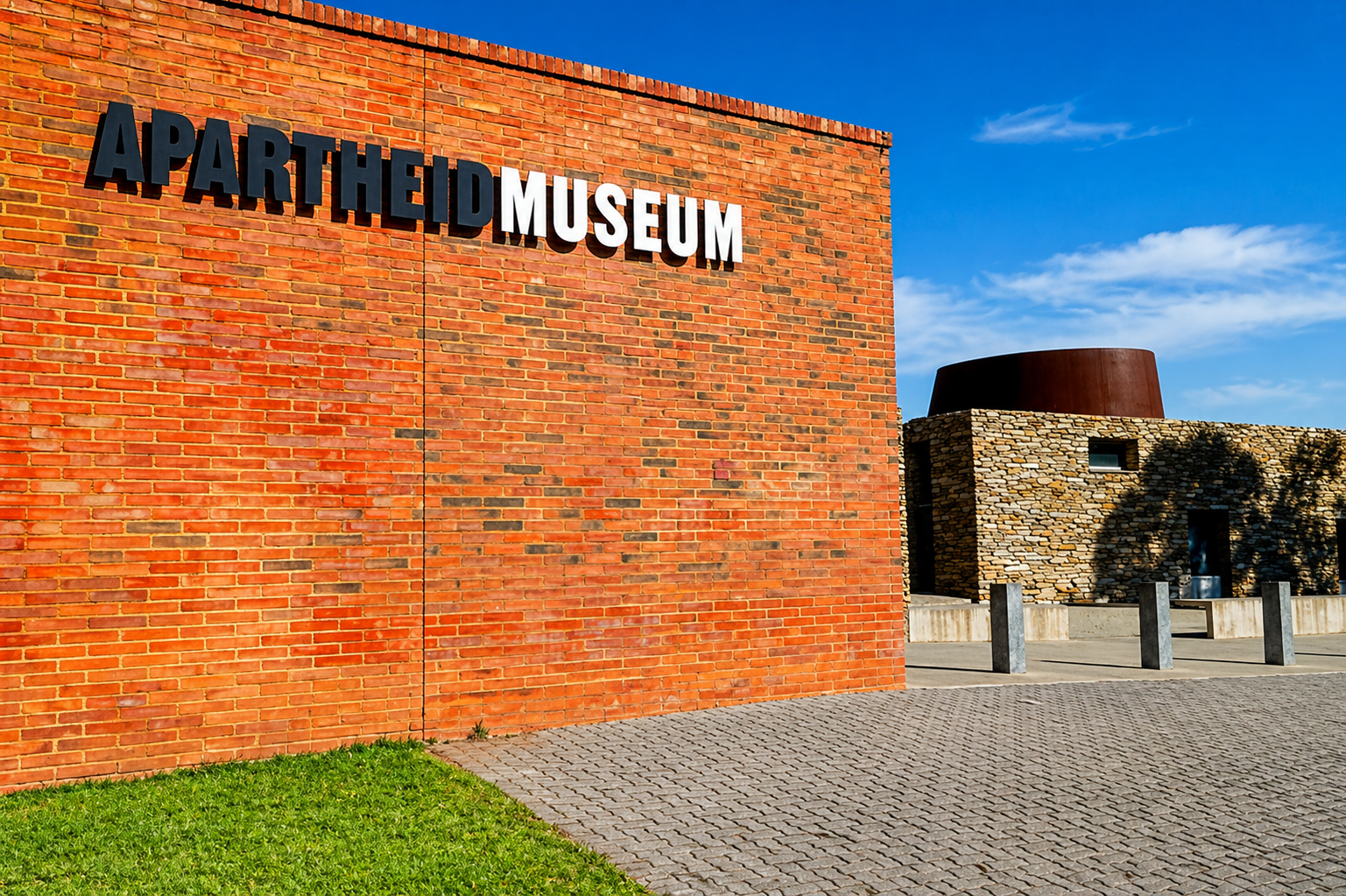
South Africa’s history is one of the most dramatic, painful, and ultimately hopeful stories of the twentieth century. For visitors arriving at the Apartheid Museum, the Hector Pieterson Memorial, or Freedom Park, having some prior understanding of the history dramatically deepens the experience. For those who want to explore further after their visit, it opens doors into one of the most richly documented political struggles in the modern world. This guide is designed as a starting point — a clear, honest orientation for the curious visitor.
Before Colonialism: The Original Inhabitants
South Africa was home to sophisticated societies long before European arrival. The San (Bushmen), among the world’s oldest indigenous populations, inhabited the subcontinent for at least 100,000 years. Khoekhoe pastoralists, Bantu-speaking agricultural communities, the Zulu and Xhosa kingdoms of the eastern seaboard, the Sotho and Tswana peoples of the highveld, and the Venda of Limpopo — these were not primitive societies but complex, differentiated cultures with their own governance, spirituality, artistic traditions, and trade networks. Understanding pre-colonial South Africa is not background — it is the foundation.
The Colonial Period
The Dutch East India Company established a refreshment station at the Cape of Good Hope in 1652. What began as a supply post grew into a colony. The Dutch settlers — later known as Boers or Afrikaners — gradually displaced indigenous populations through a combination of land seizure, violence, and introduced disease. The British took the Cape Colony from the Dutch in 1806 and brought their own administrative and social norms, including the abolition of slavery in 1834 — which paradoxically prompted the Great Trek, as Afrikaner farmers moved inland to escape British authority and preserve their social order.
The Mineral Revolution and the Anglo-Boer Wars
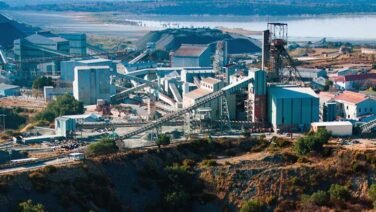
The discovery of diamonds in Kimberley in 1867 and gold on the Witwatersrand in 1886 transformed South Africa from a largely agricultural backwater into one of the world’s most economically significant territories. These discoveries triggered a massive influx of foreign capital and labour, profoundly destabilised the existing Boer republics (the ZAR and the Orange Free State), and eventually precipitated the Anglo-Boer War (1899–1902) — a conflict in which the British interned tens of thousands of Afrikaner women and children in concentration camps where at least 26,000 died.
The Formation of the Union and the ANC
In 1910, the four British colonies and former Boer republics were united as the Union of South Africa. From the outset, Black South Africans were excluded from political participation. In response, the South African Native National Congress — later the African National Congress — was founded in 1912, making it one of the oldest liberation movements in the world. The Native Land Act of 1913 restricted Black South Africans to 7% of the country’s land — a foundational injustice whose reverberations are still felt today.
Apartheid: 1948 to 1990
When the National Party won the 1948 election, it implemented apartheid — a comprehensive system of racial segregation and white minority rule. Under apartheid, South Africans were classified by race, forced to live in racially designated areas, educated in racially segregated and deliberately inferior schools (the “Bantu Education” system), restricted from most economic activity, and denied political rights. The Group Areas Act, the Pass Laws, the Immorality Act, the Suppression of Communism Act — the legislative architecture of apartheid was vast and deliberately dehumanising.
Resistance was continuous. The Sharpeville Massacre in 1960 — in which police killed 69 unarmed protesters — shocked the world and led to the banning of the ANC and PAC. Nelson Mandela, Walter Sisulu, and other leaders were arrested in 1964 and sentenced to life imprisonment at the Rivonia Trial. The Soweto Uprising of 1976 brought a new generation into the struggle. International sanctions, internal resistance, and sustained armed activity by Umkhonto we Sizwe (the ANC’s military wing) gradually eroded both the regime’s legitimacy and its economic base.
The Transition and Democracy
President F.W. de Klerk’s speech on 2 February 1990 — in which he announced the unbanning of the ANC and the impending release of Nelson Mandela — stunned the country and the world. Mandela walked free on 11 February 1990 after 27 years of imprisonment. The negotiated transition that followed was imperfect and contested, but it held. South Africa’s first democratic election took place on 27 April 1994 — a date now commemorated as Freedom Day. Mandela became president. The rainbow nation was born.
2026: The Unfinished Story
South Africa in 2026 is a democracy that has survived significant pressures — corruption scandals, economic inequality, load shedding, and service delivery failures. It is also a country with a free press, an independent judiciary, a vibrant civil society, and a citizenry that participates actively in its own governance. The journey from 1948 to 1994 was the most dramatic chapter; the journey from 1994 to a fully equitable society remains the work in progress. Visiting South Africa now means engaging with that work in progress — and that is precisely what makes it one of the most interesting countries in the world to explore.
 by
by